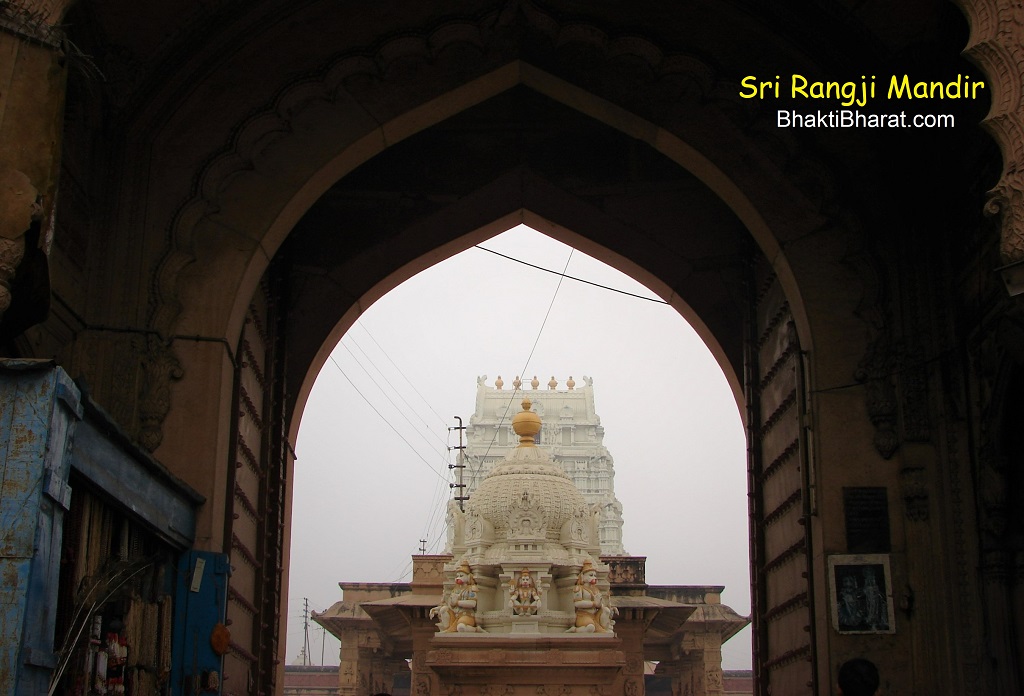
Tulabharam and Tulabhara also known as Tula-Daan is an ancient Hindu practice. It is an ancient ritual. Tulabharam is prevalent from the Dwapar era.
Thulabharam means that a person is made to sit on one side of the scales and equal quantities of rice, oil, gold or silver or grain, flowers, jaggery etc. are weighed and offered to the Lord, according to the capacity of the person. Tulabharam is mentioned in ancient texts as one of the Sixteen Great Gifts, and is performed in many parts of India.
Thulabharam is usually performed when one's wishes are fulfilled or he is overcome by sufferings and sorrows. Tulabharam is a kind of obligation expressed towards God to fulfill one's desires.
This ritual is also practiced in temples like Tirupati, Guruvayoor, Dwarka, Udupi and many other temples.
Mythology Behind Tulabharam
The earliest reference to Tulabharam comes from the Mahabharata about the great emperor Sibi. He was so famous that his name appears in four places in ancient Tamil Sangam literature and in hundreds of later places. He is even praised in the Buddhist Jataka tales and in the sculptures of Borobudur (Indonesia). Emperor Sibi was a just king. Lord Indra and Agni wanted to test him and came in the form of an eagle and a dove. When the pigeon came to Sibi for protection from the pursuing eagle, Sibi was ready to give anything to save the pigeon. The eagle asked him to give his meat for the measure. Sibi cuts herself bit by bit but the scales are never equal. Finally when he himself stood on the griddle the deity appeared before him and blessed him. This story is also found in other Sanskrit works.
The process of performing Tulabharam is described in the Puranas:
❀ Worship for the planetary deity, family deity and personal deity on the day of Tulabharam.
❀ Fasting should be done on the day of Tulabharam.
❀ Prepare a Yagya for Ganapati, Subrahmanya and Shiva.
❀ Perform Yagya for the deity to whom Tulabharam is offered.
❀ In the case of a child, the child should be weighed in a scale and prasad equal to the weight of the child should be offered to the deity.
❀ In the case of adults, they should stand in balance, repent of their sins by folding their palms and pray that the Thulabharam is completed successfully.
 Follow Bhakti Bharat Whatsapp Channel »